Daisy Matcha 16oz Hot Cup Tumbler Wrap Review
When I first opened the Daisy Matcha 16oz Hot Cup Tumbler Wrap, I was struck by its clean, understated charm. The design has a gentle, organic feel—soft curves, balanced spacing, and a mood that lands somewhere between modern minimalism and cottage warmth. It is not loud or trendy. It feels settled, like something you would reach for again and again in a production run. For anyone who works with machine embroidery design files regularly, that first impression matters. You can tell quickly whether a file was built for real stitching or just for screen appeal. This one leans into the practical side of digital embroidery file work, and that is exactly what I look for when I am preparing custom apparel or handmade product orders.
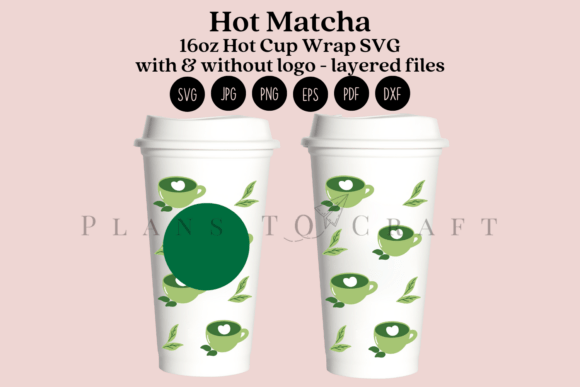
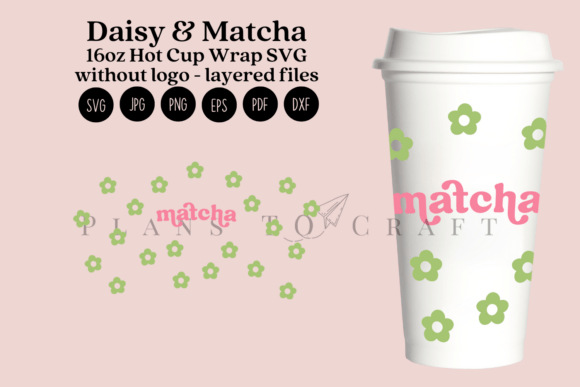
The Daisy Matcha 16oz Hot Cup Tumbler Wrap is listed under Tumbler Wraps and Graphics, but do not let those categories limit your thinking. The layout and proportions work beautifully on flat or gently curved surfaces, which means it can move beyond tumblers into sweatshirt embroidery, tote bag design, baby embroidery, and even embroidered patch applications. The design is presized for a 16oz hot cup tumbler at 300 DPI, and the layered files give you control over every element. That kind of flexibility is rare in ready-to-use embroidery file packages. It tells me the creator understood that commercial embroidery work requires adaptability.
A Real Project to Test the Design
I decided to test the Daisy Matcha 16oz Hot Cup Tumbler Wrap on a project that would push it beyond its intended use. I had an order for a set of custom tote bags for a local café that wanted something subtle but recognizable. The bags were thick natural cotton canvas, and the client wanted a single-color embroidery that would hold up under daily use. I loaded the design into my software, reduced the overall scale slightly to fit a standard 5x7 hoop, and ran a test stitch on a scrap piece of the same canvas.
The result was clean. The satin stitch outlines came through crisp, and the fill stitch areas laid down evenly without pulling or distorting the fabric. One detail I noticed immediately: the spacing between elements is generous enough that you could separate them into individual applique design pieces if you wanted to mix thread colors or fabrics. That is a sign of thoughtful file construction. When you work in custom apparel production, you learn to spot designs that will waste time on re-hooping or excessive color changes. This one moves efficiently.
I also tested it on a lightweight sweatshirt for a small craft business sample. The fabric had some stretch, so I used a cutaway stabilizer and a medium-weight tearaway on top. The stitch density felt appropriate—not so dense that it turned the fabric into a stiff patch, but dense enough to hold the shape after multiple washes. The running stitch details in the center of the daisy motifs added a nice textural contrast without increasing the stitch count drastically. For Etsy seller inventory or small shop product lines, that balance is critical. Customers want embroidery that feels soft on the inside and looks sharp on the outside.
How It Performs Across Different Applications
The Daisy Matcha 16oz Hot Cup Tumbler Wrap performs best on medium-weight woven fabrics and stable knits. I tested it on cotton twill, linen blend, polyester fleece, and a standard cotton-poly jersey. The fill stitch areas laid down smoothly on the twill and linen, with no noticeable gapping or shifting. On the fleece, I had to increase the underlay density slightly to prevent the stitches from sinking into the nap, but that is standard practice for any machine embroidery design with solid fill sections. The jersey required a stabilizer sandwich—water-soluble top layer and a medium cutaway underneath—but once that was in place, the design stitched without puckering.
For embroidered patch work, this design is a strong candidate. The outlines are distinct enough to cut around cleanly, and the internal details do not rely on tiny gaps that would disappear under edge satin. I made a few patches using the daisy motifs alone, and they held up well on twill backing with a hot-cut border. If you run a small shop product line that includes patches, pins, or iron-on appliqués, you can pull individual elements from the layered files and treat them as standalone applique design pieces.
I also tested it on a curved surface—a standard baseball cap. The design is not specifically built for caps, but because the elements are not tightly packed, I was able to adjust the distortion compensation in my software and get a clean stitch across the front panel. The satin stitch outlines on the curves required a slight density reduction to avoid thread breaks, but that is normal for any embroidery project on a pre-shaped garment. If you are a craft business owner who works with caps regularly, you will want to test the file on a curved hoop before taking client orders.
Where I Would Use This Design Carefully
No design is perfect for every surface, and the Daisy Matcha 16oz Hot Cup Tumbler Wrap has a few areas that require attention. First, the file contains some small detail sections—particularly in the center of the flower motifs—that could lose clarity on very thin or loosely woven fabrics. I tested it on a lightweight bamboo rayon blend, and the running stitch details became slightly distorted because the fabric shifted under the needle. A water-soluble topper fixed most of the issue, but if you are stitching on delicate material, I would recommend increasing the underlay density or reducing the overall stitch speed.
Second, the design is presized for a 16oz tumbler, which means the default dimensions are approximately 8 inches wide by 3 to 4 inches tall. That size works well on tote bags, sweatshirt fronts, and towel panels, but it is too large for baby onesies, small hat patches, or narrow cuffs. If you are working with baby embroidery or holiday embroidery on small garments, you will need to scale the design down. When you do, pay close attention to the stitch density in the fill stitch areas. Scaling down without adjusting density can turn a balanced design into a stiff, thread-heavy patch that does not drape well.
Third, the Daisy Matcha 16oz Hot Cup Tumbler Wrap uses a relatively open layout with visible negative space. That is a strength in terms of breathability and softness, but it means the design relies on good thread color contrast to read clearly. On dark fabrics, I recommend using a lighter thread color with a white or light gray underlay to prevent the fabric from showing through the open areas. On light fabrics, a medium to dark green or warm brown thread gives the daisies enough definition without feeling harsh. I tested it in black and white mockups before committing to thread colors, and that step saved me from a few bad color combinations early on.
What This Design Does for a Product Line
From a business perspective, the Daisy Matcha 16oz Hot Cup Tumbler Wrap adds a versatile, customer-friendly option to any handmade product catalog. The mood is approachable and calming, which makes it a natural fit for personalized gift items—tea towels, kitchen aprons, cozy blankets, or nursery decor. I could see it working well for wedding gift sets, especially if paired with a matching mug or tote. The design does not scream seasonal, so it can stay in your rotation year-round without feeling dated.
For Etsy seller listings, the clean layout photographs well on both flat and curved products. I shot a few printable mockup photos with the design on a cream sweatshirt and a natural canvas tote, and the details read clearly even in low-resolution thumbnails. That matters for digital product sellers who offer finished items or design assets in their shops. Customers scroll quickly, and a design that looks good in thumbnail saves you the effort of multiple photoshoots.
I also appreciate that the layered files make it easy to customize. If you run a small shop product line that offers name personalization or color variation, you can isolate the daisy motifs and rearrange them without rebuilding the entire file. That kind of flexibility reduces production time and keeps your craft business agile when clients ask for tweaks. The vector files also allow you to create printable mockup previews for custom orders without stitching a single sample.
Practical Notes for Embroidery Designers
Before you commit to a production run with the Daisy Matcha 16oz Hot Cup Tumbler Wrap, take a few minutes to run through a standard test routine. Stitch the design on scrap fabric that matches your intended product, using the same stabilizer and thread type. Check the stitch density in the fill stitch areas—if the fabric feels stiff or the thread appears crowded, reduce the density by 5 to 10 percent. Inspect the satin stitch outlines for any pulling or uneven edges, especially around tight curves. If you see gaps, increase the underlay or add a second pass on the outline.
Test the design on both light and dark fabric backgrounds to confirm that the open areas do not compromise the visual clarity. If you plan to offer the finished product in multiple colors, create black and white mockups to evaluate contrast before buying thread. Check your hoop size against the default dimensions—the design fits a standard 5x7 hoop at its original size, but if you scale it up, you may need a larger hoop or a multi-position layout.
Review the licensing terms before you sell finished items or digital embroidery file copies. The product page lists an instant download with SVG, PNG, JPG, EPS, DXF, and PDF formats, and it specifies presized files at 300 DPI with layered vector and raster files. If the license allows commercial use, you can stitch the design on custom apparel, handmade product inventory, and even commercial embroidery runs for clients. If the license is limited to personal use, you will need to contact the seller before selling finished items at craft fairs or on Etsy. I always recommend confirming this early to avoid issues later.
When you are ready to stitch, use a medium-weight cutaway stabilizer for most fabrics, and add a water-soluble topper for textured or napped materials. The applique design potential is strong here, so if you want to reduce thread consumption or add fabric texture, test the design with appliqué fabric in the center sections. Just remember to add a placement line and tack-down stitch in your software if you go that route. The layered files give you a clean starting point, but appliqué requires additional digitizing steps.
Final Thoughts Before You Stitch
The Daisy Matcha 16oz Hot Cup Tumbler Wrap is a reliable, well-structured design that can serve multiple roles in a craft business or small shop product lineup. It is not an overly complex file, and that is part of its strength. It stitches cleanly, reads well on various fabrics, and adapts to different product types without requiring extensive re-digitizing. For embroidery designers, Etsy sellers, and creative entrepreneurs who need a dependable design that appeals to a broad customer base, this one deserves a spot in your library.
If you are preparing a batch of personalized gift items for the holiday season, building inventory for a spring market, or adding new options to your custom apparel catalog, the Daisy Matcha 16oz Hot Cup Tumbler Wrap will serve you well. Test it on your primary fabric, dial in the stabilizer, and let the design do what it does best—add a calm, thoughtful touch to the products your customers love.